
Dr. Attila Nuray – Equilibrium CIO (Central Idea Owner)
The MIRAΔ Project is a groundbreaking initiative that bridges legal frameworks, AI-driven decision systems, and societal equity. Rooted in Hungary’s robust legal traditions and addressing challenges from so-called rural contexts like Dunakeszi’s varied legal and ethical landscape, this project seeks to harmonize technology and governance to foster adaptable and fair solutions for complex societal dynamics. Inspired by practical insights from a great Hungarian talent Angéla Dr. Kovács-Gábri whose research on the Courts’ decisionmaking process from a humane perspective really opened eyes on what we miss in this system. Both from the difficult work of Judges and legislators with the advancement of technology, that overwhelm them. And the non-ceasing dumbness of our clients caused by misinformation on the internet and social media I so often speak against. Her journey as a mother, a researcher and an inspiring judge attendee is an inspiring path to take for every woman. In this international day against Women Violence, Inspired by my daughter’s muse, we are proud to launch the MIRAΔ Project.

A Vision Rooted in Legal Philosophy
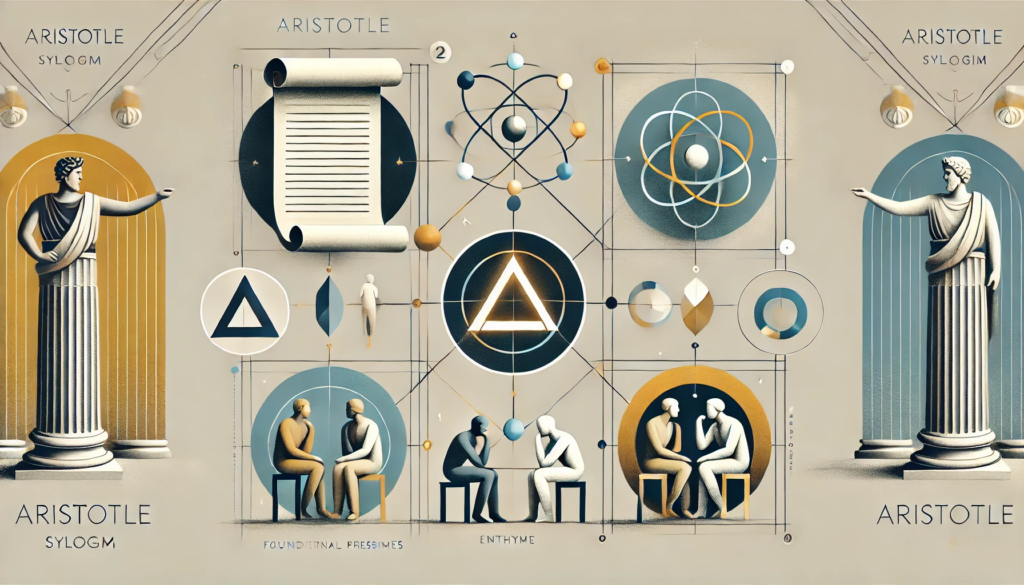
Drawing from Hungary’s jurisprudential heritage, the MIRAΔ Project builds on Bibó István’s principles of balance and fairness, advocating for reciprocal legitimacy and societal harmony. These concepts form the metaphysical foundation for AI integration within governance. Additionally, Aristotle’s Rhetoric (352 AD), a rhetorical device encouraging participatory reasoning, inspires human-AI collaboration in decision-making models that engage and empower.
Core Framework: Balancing Control, Adaptability, and Fairness
At its core, MIRAΔ operates on a triadic system:
- Quantum Rule Sets (QC): Adaptive, ethical frameworks guided by dynamic legal and philosophical principles.
- No-Control Systems (NC): Large datasets enabling unrestricted state transitions, reflecting natural complexity.
- Full-Control Systems (FC): Hybrid models mitigating risks while enhancing adaptability and ethical integrity.
This approach aligns with the natural efficiency principle, where systems organically evolve toward hybrid efficiency, balancing scalability and precision.
Legal Anchors and Observer Theory
MIRAΔ leverages constitutional principles—equality, fairness, and reciprocity—as dynamic anchors. These pillars ensure that AI systems remain adaptable yet rooted in ethical governance. The inclusion of observer theory highlights human oversight, guaranteeing transparency and alignment with societal values.
Real-World Applications: Dunakeszi and Beyond
Hungary’s shared custody laws and their limits (Váltott Gondozás) serve as a real-world test case for MIRAΔ’s principles. These laws exemplify balance through reciprocity, showcasing how AI can navigate equilibrium in complex systems. By analyzing and adapting to family dynamics, MIRAΔ demonstrates its potential to address sensitive legal and societal issues while respecting ethical boundaries.

Practical Impacts and Global Reach
The MIRAΔ Project delivers on multiple fronts:
- Addressing Family Pathologies: Adaptive AI models offer solutions to complex family dynamics.
- Ensuring Socio-Legal Balance: Systems uphold societal fairness and equity.
- Global Scalability: Frameworks are adaptable to diverse cultural and legal environments.
Everyday Steps to Foster Collaboration and Unity
Even without the aid of MIRAΔ, fostering collaboration and unity within families can start with simple, practical actions. Here are five steps anyone can take:
- Open Communication: Schedule regular family discussions to share thoughts, concerns, and plans openly.
- Shared Responsibilities: Divide household tasks fairly, fostering a sense of teamwork and mutual respect.
- Empathy Practice: Take time to understand and validate each other’s feelings, creating a safe emotional environment.
- Family Rituals: Establish consistent traditions like weekly dinners or game nights to strengthen bonds.
- Conflict Resolution: Approach disagreements with patience and focus on finding compromises that respect everyone’s needs.
Fostering Collaboration Across Domains
The project’s success relies on fostering collaboration between legal professionals, technologists, and policymakers. By combining Hungary’s legal traditions with advanced AI systems, MIRAΔ creates scalable models to address societal complexities, laying the groundwork for ethical governance and technological innovation.

Call to Action
MIRAΔ is not just a project but a collaborative movement toward harmonizing technology, legal frameworks, and human equity. Join us in shaping the future of governance and AI—where adaptability, fairness, and collaboration redefine societal balance.
Thank you for your enriching cooperation in this dream coming true!